
Ghana’s seaports (Tema and Takoradi) are the lifeblood of the economy, handling the vast majority of the nation’s import and export trade. They are critical nodes in global shipping networks, connecting Ghana to major markets in China, India, and Europe.
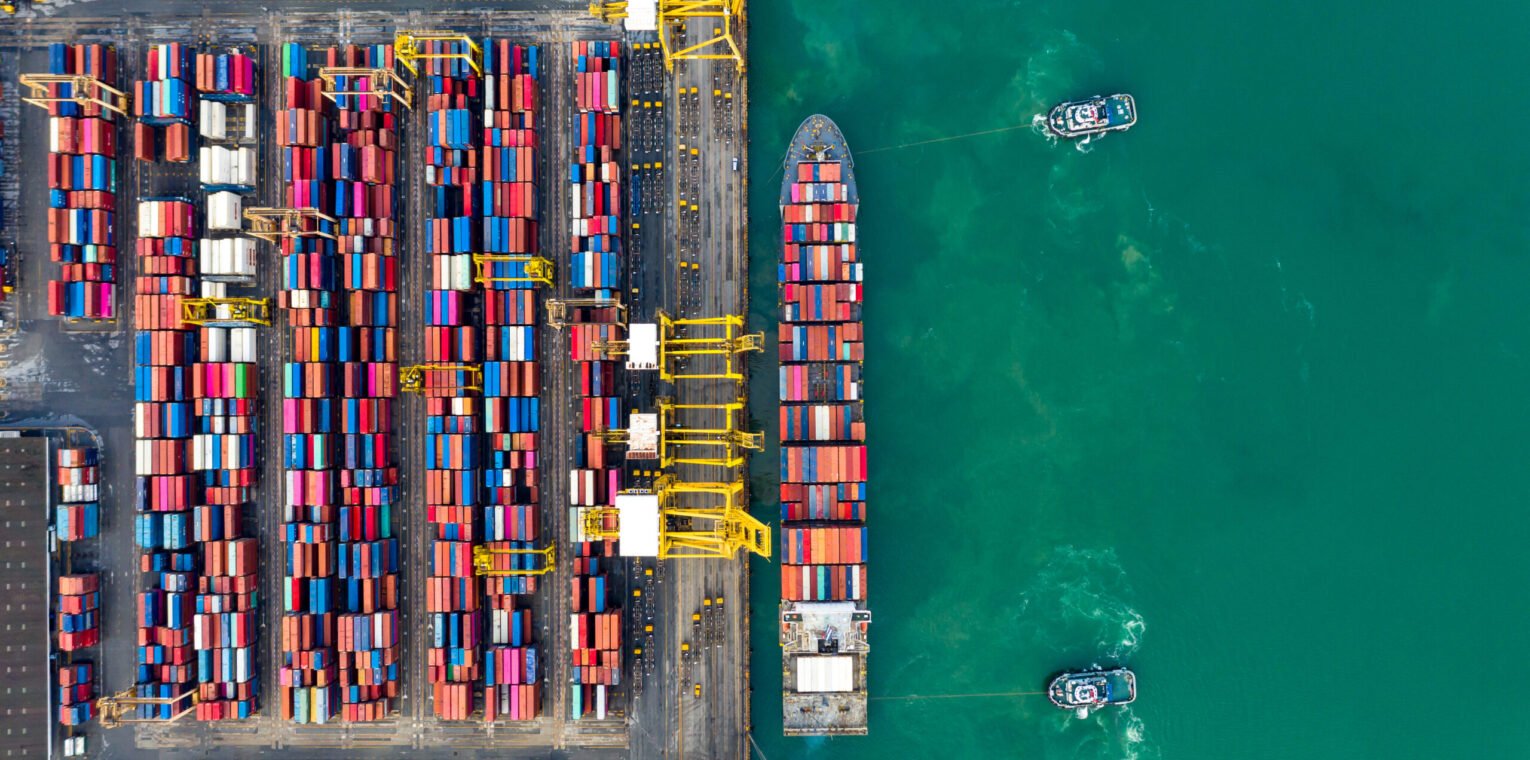
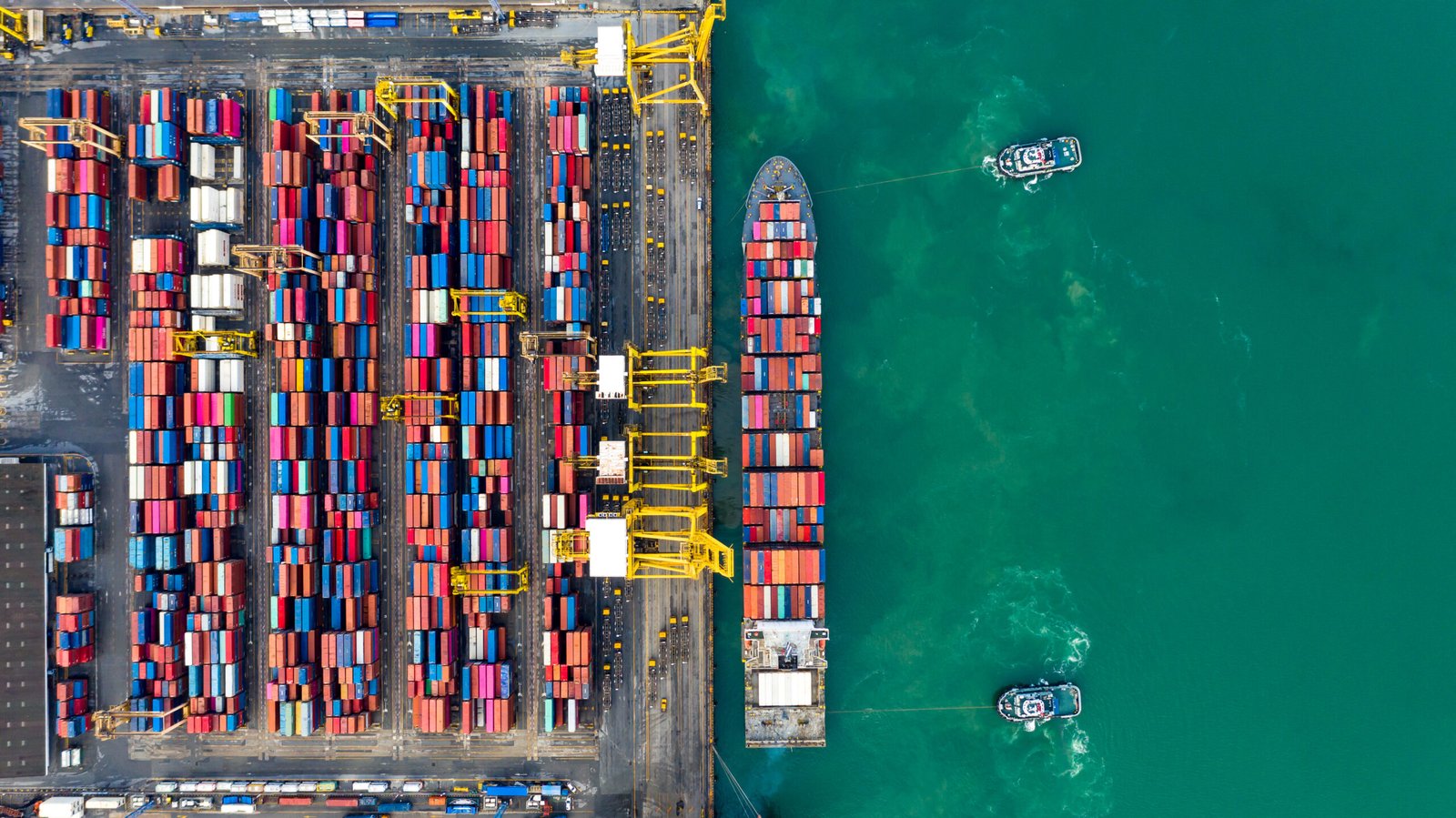
As the primary engine of international trade, the sea transport and maritime sector takes center stage at the Ghana International Shipping & Logistics Summit 2026 as an indispensable foundation for national and regional economic growth. Handling over 90% of Ghana’s global merchandise flows, the twin seaports of Tema and Takoradi serve as critical gateways linking West Africa to major markets across Europe, Asia, and the Americas. With container throughput expanding rapidly under the framework of the African Continental Free Trade Area (AfCFTA), optimizing port operations is essential for boosting export performance, lowering cost-to-market, and unlocking sustainable economic value. This summit dedicated session convenes port authorities, global shipping lines, terminal operators, logistics providers, and policy architects to tackle pressing infrastructure bottlenecks, advance green port technologies, and cement Ghana’s position as West Africa’s premier maritime hub.
Container Throughput Surge
Container traffic through Ghana’s ports continues to climb, reaching 91,742 containers in March 2026—a 24.7% increase year-on-year. First-quarter laden container volumes for 2026 reached 237,018, reflecting robust 15.5% annual growth.
Bulk Cargo & Vessel Calls at Takoradi
The Port of Takoradi recorded 867 vessel calls between January and November 2025, a 24.75% growth from the previous year, while handling 10.3 million metric tonnes of cargo—driven largely by dry bulk exports like manganese and bauxite.
Digitalization & Process Automation
Implementation of digital cargo platforms and automated clearance frameworks has notably reduced dwelling times at terminal gates, though peak-season congestion remains a key focus for improvement.
Infrastructure Modernization & Strategic Expansion
Strategic investments—including the YILPORT-ATSL multipurpose terminal, dedicated oil and gas service berths, and the proposed Keta Port development—are expanding berth capacities and positioning Ghana for ultra-large bulk and container vessels.
Why Ports & Sea Transport Need a Dedicated Conversation
While maritime trade drives the largest volume of economic exchange, maximizing port efficiency requires targeted policy, capital investment, and regional alignment:
Eliminating Congestion & Reducing Demurrage Costs
Peak-season vessel queues and terminal dwell times add substantial demurrage and holding fees to importers and exporters. Dedicated dialogue between port handlers, customs, and shipping lines is required to streamline 24-hour clearance procedures and landside evacuation.
Capturing AfCFTA & Landlocked Transit Trade
Ghana’s seaports are competing to be the preferred transit gateway for landlocked neighbors such as Burkina Faso, Mali, and Niger. Aligning port tariffs, transit protocols, and corridor security is essential to maintaining competitive advantage over regional port rivals.
Infrastructure Scaling for Modern Fleets
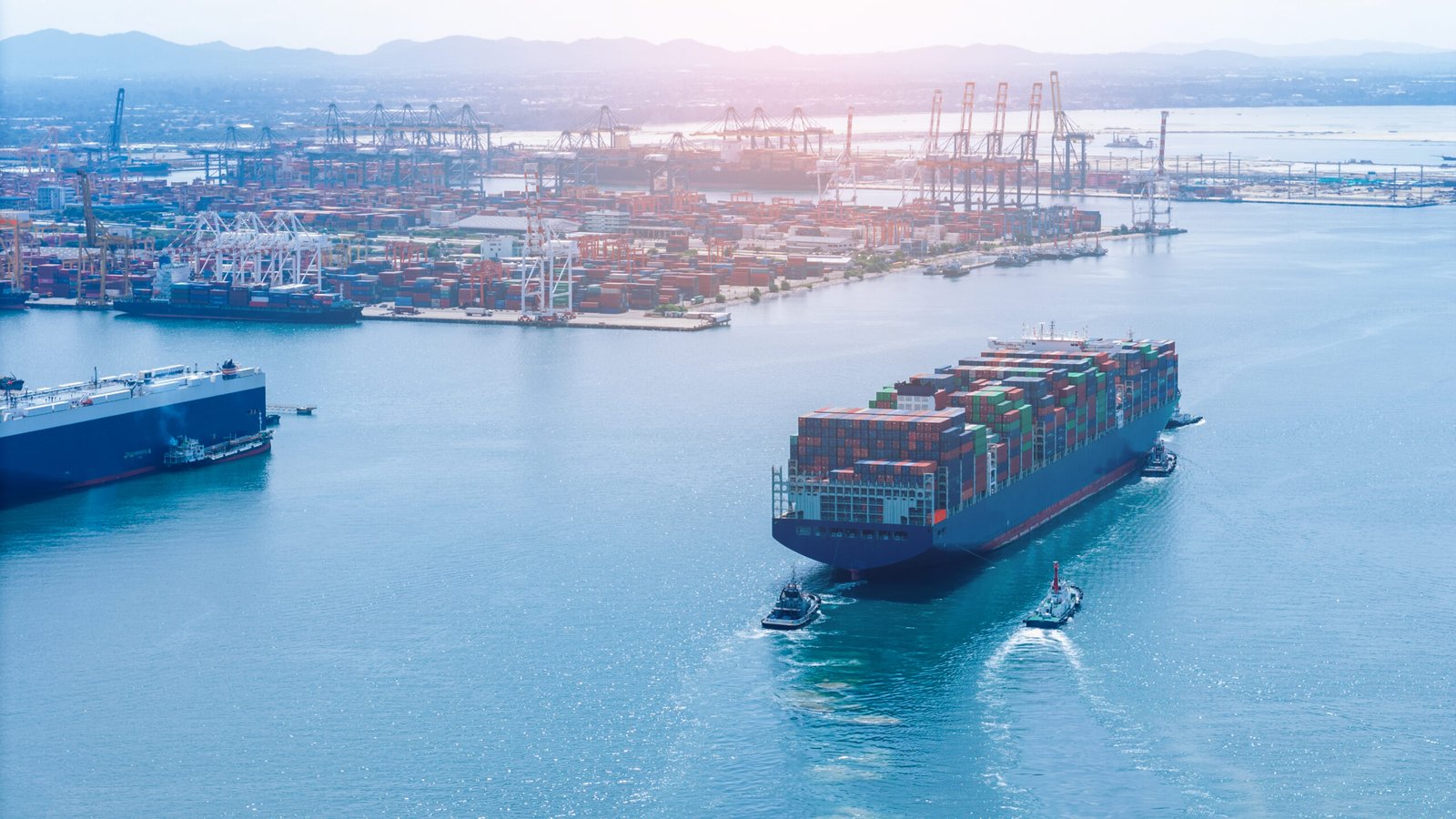
As global ocean lines deploy larger container ships and ultra-capsize bulk carriers, continuous dredging, berth expansion, and equipment modernization are mandatory to keep Ghanaian ports accessible and cost-effective.
Decarbonization & Green Port Initiatives
Meeting international maritime emission standards requires converting port power grids, adopting eco-friendly cargo-handling equipment, and planning for sustainable bunkering operations to future-proof Ghana’s maritime sector.