

Ghana’s air cargo sector is the preferred channel for high-value, time-sensitive, and perishable goods. Kotoka International Airport (KIA) serves as the primary hub, handling everything from emergency freight and dangerous goods to cold chain logistics for exports.
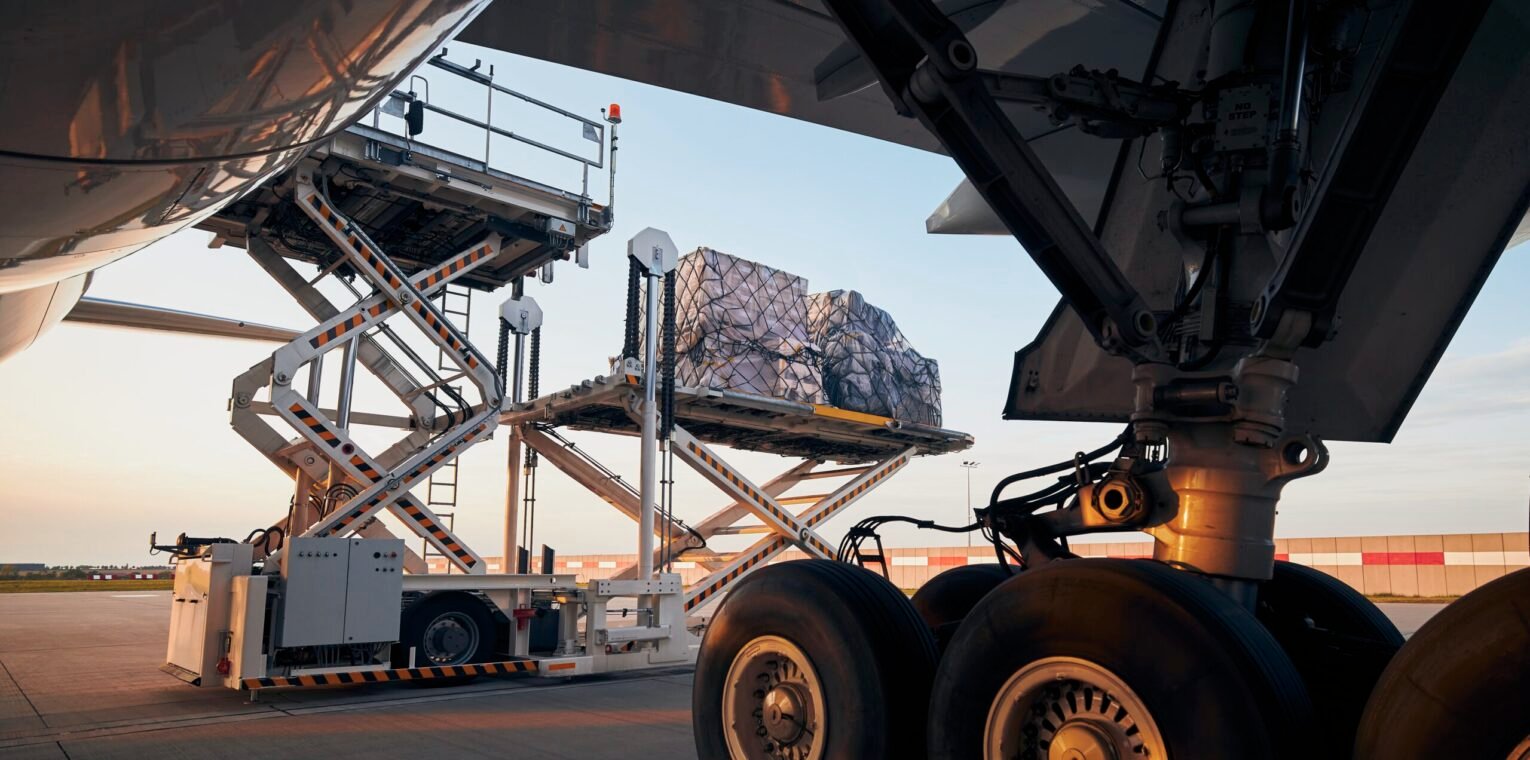
As global trade demands unprecedented speed and agility, the air transport sector takes center stage at the Ghana International Shipping & Logistics Summit 2026 as a critical pillar for economic acceleration. Serving as the primary gateway for high-value freight, perishable exports, and time-sensitive express supply chains, Ghana’s aviation logistics ecosystem holds immense potential to drive cross-border commerce under the AfCFTA. By bringing together aviation leaders, cargo operators, logistics tech innovators, and policymakers, this summit section focuses on addressing high operational costs, streamlining digital customs, expanding cold-chain infrastructure, and positioning Kotoka International Airport as West Africa’s premier air cargo hub.
Market Growth
Ghana’s Air Cargo Freight Logistics Market is projected to experience significant growth through 2031, driven by e-commerce, retail supply chains, and the need for specialized handling.
Passengers Growth
Passenger arrivals through Ghana’s international airport and land borders reached 302,993 in Q1 2026, a 2.6% increase year-on-year, reflecting steady demand for air connectivity.
Operational Cost
The sector faces challenges including high operational costs and the need for enhanced digital cargo tracking to improve transparency and efficiency.
Regional Hub Ambitions & Capacity Limits
Infrastructure expansions and regional integration efforts position Ghana as a prospective aviation hub for West Africa; however, current freight terminal capacity and high customs clearance turnaround times constrain its full potential.


Why Air Transport Needs a Dedicated Conversation
While sea ports carry bulk tonnage, air transport handles the highest-value segment of global commerce. Unlocking its potential requires targeted strategic focus for several critical reasons:
Economic Velocity & High-Value Cargo
Air freight moves critical components, pharmaceuticals, and perishable agricultural exports (such as fresh fruits and flora) that depend on speed to market. Delays directly result in massive financial loss and spoiled inventory.
AfCFTA Connectivity
To truly capitalize on the African Continental Free Trade Area, rapid intra-African connectivity is essential. Air transport provides the fastest mechanism to link Ghana directly with landlocked and distant African markets without relying solely on regional road transit corridors.
Cost Structure Reform
Air logistics in West Africa remains hampered by high aviation fuel taxes, ground handling fees, and heavy freight charges. A national conversation is necessary to harmonize tariffs and incentivize regional air freight carriers.