
The land transport sector—comprising road and rail networks—connects the ports to the hinterland, neighbouring countries, and the wider West African market. This segment is crucial for the final mile delivery and the distribution of goods.

While maritime ports receive cargo and airports handle express goods, Ghana’s land transport network serves as the operational connective tissue of national and regional commerce. Moving over 85% of domestic freight and carrying vital transit trade along arterial routes like the Tema-Paga corridor, land logistics connects maritime gateways directly to domestic consumers and neighboring landlocked Sahelian economies
Dominant Inland Tonnage
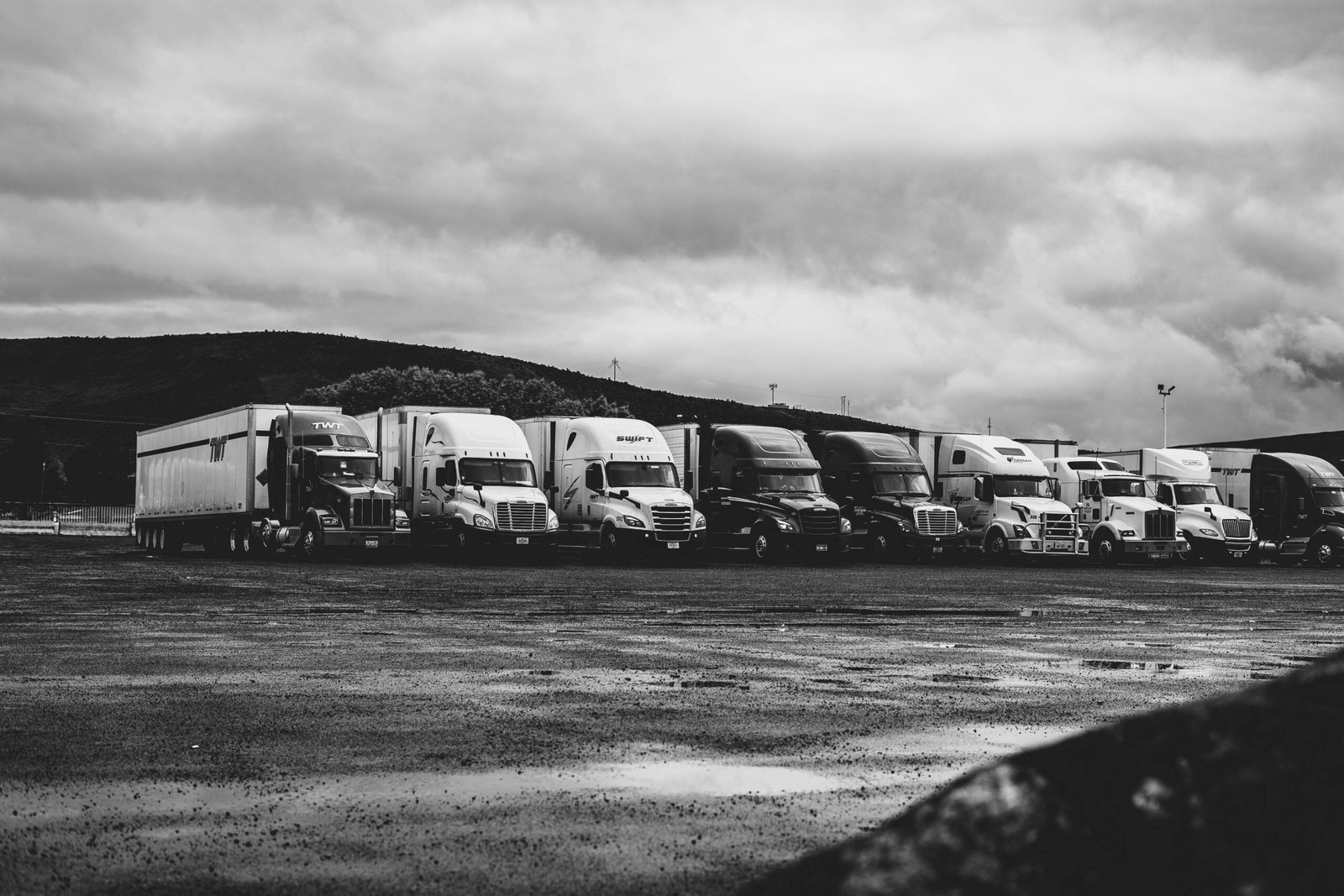
Road haulage accounts for the vast majority of internal and cross-border freight distribution, sustaining key economic corridors across all 16 regions of Ghana.
Sahelian Transit Corridors:
Ghana’s transit trade routes channel hundreds of thousands of metric tonnes of cargo annually to Burkina Faso, Mali, and Niger. Modernizing border checks and trade agreements remains a top priority to sustain corridor competitiveness.
Multimodal Infrastructure Integration
Key inland developments—such as the Tema-Mpakadan railway line and the Boankra Integrated Logistics Terminal—are transforming landside operations by shifting bulk cargo off congested highways and onto integrated rail networks.
Axle-Load & Maintenance Deficits
Heavy freight demands continue to strain road surfaces, leading to high vehicle maintenance costs, corridor congestion, and unpredictable transit times for haulers.
Why Land Transport Needs a Dedicated Conversation
To realize the full vision of the African Continental Free Trade Area (AfCFTA), Ghana’s overland freight network requires immediate structural reform and strategic alignment:
De-bottlenecking Cross-Border Trade
Long dwell times at land borders, multiple transit checkpoints, and redundant documentation inflate trade costs. Harmonizing customs protocols and expanding digital tracking tools are vital to creating frictionless trade routes.
Transitioning to Multimodal Solutions
Over-reliance on road transport drives up logistics expenses and damages road assets. Developing integrated road-rail-inland waterway links (including the Volta Lake transport corridor) will significantly lower bulk freight costs per ton.
Fleet Modernization & Driver Welfare
Domestic haulage remains dominated by aging vehicle fleets and fragmented operator structures. Establishing targeted financing for fleet renewal and standardized training for haulage operators will enhance road safety and fuel efficiency.
Cost Stabilization & Decarbonization
Rising fuel costs, high spare parts inflation, and road tolls hit land operators directly. Broadening discussions around green haulage options, alternative fuels, and corridor cost-reduction strategies is crucial for long-term sector stability.